

Developing a love for reading at an early age sets the foundation for lifelong learning. Reading enhances vocabulary, comprehension, and cognitive skills while also fostering creativity and imagination. However, in an era of increasing screen time, encouraging preschoolers to embrace books can be challenging. With the right strategies, parents and educators can nurture a love for reading and create positive reading habits in young children.
Why Early Reading Matters
Early exposure to books improves language development, enhances listening skills, and strengthens concentration. Studies show that children who engage in regular reading activities perform better academically and develop better communication skills. Reading also stimulates curiosity and helps preschoolers develop empathy by introducing them to different perspectives and emotions through storytelling.
Effective Ways to Encourage Reading
1. Create a Reading-Friendly Environment
Design a cozy reading nook at home or in the classroom filled with age-appropriate books. Ensure the space is inviting with comfortable seating, good lighting, and easy access to books.
2. Make Reading a Daily Habit
Set aside dedicated reading time every day. Even 10-15 minutes of reading before bedtime or during quiet time can instill a lasting habit.
3. Choose Engaging and Interactive Books
Opt for books with colorful illustrations, simple rhymes, and engaging stories. Board books, lift-the-flap books, and interactive books keep preschoolers engaged and excited about reading.
4. Read Aloud with Expression
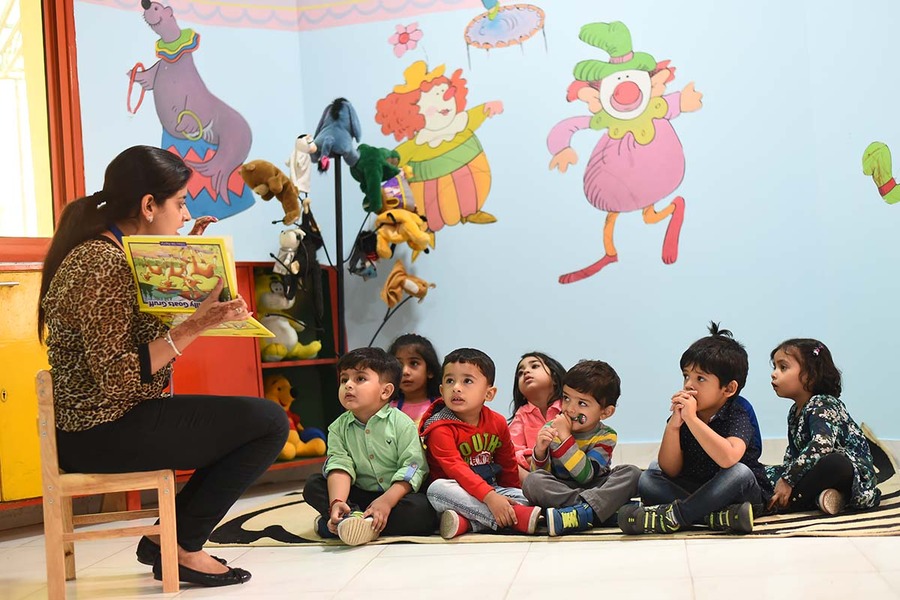
Use different tones, voices, and facial expressions to make storytelling fun and engaging. Encourage children to participate by asking questions about the story and letting them predict what happens next.
5. Let Children choose their Books
Allow preschoolers to select books based on their interests. Whether it’s animals, fairy tales, or adventure stories, letting them choose makes reading feel more enjoyable and personal.
6. Incorporate Reading into Daily Activities
Label household objects, read road signs, or go through grocery lists together. Integrating reading into everyday routines reinforces literacy skills naturally.
7. Be a Reading Role Model
Children imitate what they see. If they observe parents and educators enjoying books, they are more likely to develop an interest in reading themselves.
Limiting Screen Time to Encourage Reading
Excessive screen time can interfere with reading habits. Set screen-time limits and create tech-free zones to encourage book reading. Introduce digital books as an alternative, but prioritize physical books to strengthen engagement and comprehension.
Fostering a love for reading in preschoolers requires consistency, patience, and creativity. By incorporating fun and interactive reading strategies, parents and educators can help young children develop essential literacy skills and a lifelong passion for books. Encouraging reading from an early age not only benefits academic growth but also enriches a child’s imagination and cognitive abilities, setting the stage for a bright future.
Leave a Reply